

Streaming Video Ads Have Key Role in Midterm Elections: Uplift’s Jamie Patton
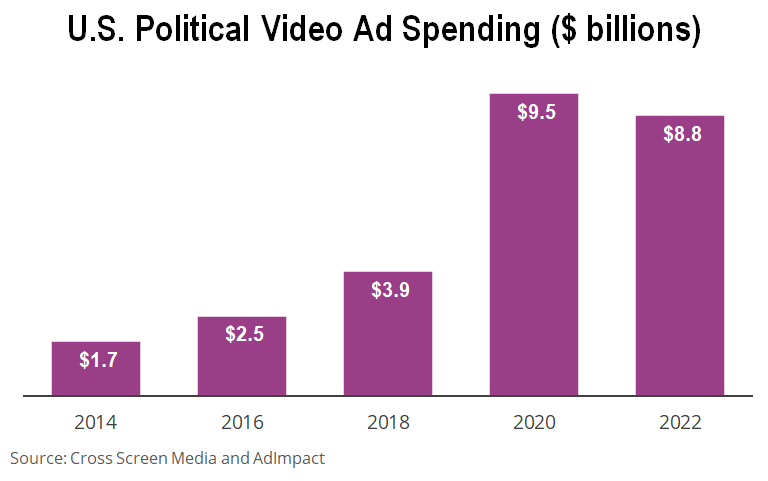
Political advertising will be especially significant in this year’s midterm elections, considering that control of both houses of the U.S. Congress is in play. Campaigns are grappling with a seismic shift in television viewing habits during the pandemic, which kept many people at home during a time when major media companies either expanded or launched streaming video services.
“Streaming has presented a huge opportunity for us to reach voters there, and to really reach them in a way that I think is more meaningful, more personal,” Jamie Patton, director at political media firm Uplift Campaigns, said in this interview with Beet.TV.
The “lean-back” experience of television can mean that viewers are more likely to stick with ad breaks during their preferred programming.
“Often on mobile ads or a desktop ad, you have this sort of dynamic where folks are scrolling away or moving throughout the platform,” Patton said. “With streaming content, you really have more of a captive audience who has made themselves comfortable, has sat down to watch something.”
High-Quality Experiences
In identifying media platforms that are most effective at reaching voters, Patton said her firm is looking for ways to stand out alongside quality content and a lower ad load. In many cases, connected TV (CTV) and over-the-top (OTT) provides that dynamic.
“Our clients really want to see quality. They really want to buy quality,” Patton said. “Political ads in the wide variety — they’re often ads that folks may not always be the most excited to watch. So, you really do want to reach folks in this quality experience, and clients are … willing to pay for that quality experience.”
Complying With Transparency Laws
Political advertising is highly regulated, which can complicate how campaigns comply with a patchwork of transparency laws among different regions.
“It’s just about being flexible, about really seeing the opportunity and new products, about just managing the compliance landscape,” Patton said. “It’s a bit of a process, but it’s something that can certainly be done and it takes the right team who really knows how to get it done.”
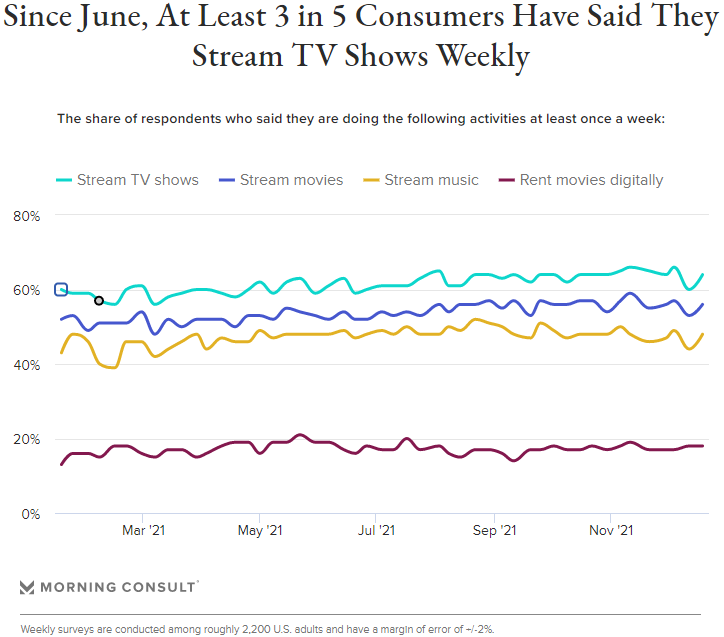
Source: Morning Consult
You are watching “Programmatic and Political Advertising,” a Beet.TV Leadership Series presented by Xandr. For more videos, please visit this page.
Political advertising will be especially significant in this year’s midterm elections, considering that control of both houses of the U.S. Congress is in play. Campaigns are grappling with a seismic shift in television viewing habits during the pandemic, which kept many people at home during a time when major media companies either expanded or launched streaming video services.
“Streaming has presented a huge opportunity for us to reach voters there, and to really reach them in a way that I think is more meaningful, more personal,” Jamie Patton, director at political media firm Uplift Campaigns, said in this interview with Beet.TV.
The “lean-back” experience of television can mean that viewers are more likely to stick with ad breaks during their preferred programming.
“Often on mobile ads or a desktop ad, you have this sort of dynamic where folks are scrolling away or moving throughout the platform,” Patton said. “With streaming content, you really have more of a captive audience who has made themselves comfortable, has sat down to watch something.”
High-Quality Experiences
In identifying media platforms that are most effective at reaching voters, Patton said her firm is looking for ways to stand out alongside quality content and a lower ad load. In many cases, connected TV (CTV) and over-the-top (OTT) provides that dynamic.
“Our clients really want to see quality. They really want to buy quality,” Patton said. “Political ads in the wide variety — they’re often ads that folks may not always be the most excited to watch. So, you really do want to reach folks in this quality experience, and clients are … willing to pay for that quality experience.”
Complying With Transparency Laws
Political advertising is highly regulated, which can complicate how campaigns comply with a patchwork of transparency laws among different regions.
“It’s just about being flexible, about really seeing the opportunity and new products, about just managing the compliance landscape,” Patton said. “It’s a bit of a process, but it’s something that can certainly be done and it takes the right team who really knows how to get it done.”
Source: Morning Consult
You are watching “Programmatic and Political Advertising,” a Beet.TV Leadership Series presented by Xandr. For more videos, please visit this page.